
I've collected sports memorabilia for more than 30 years.
Relic Roster started because I wanted a better way to manage my own collection.
It has become a sports memorabilia collection management platform for keeping memorabilia and sports cards, photos, authentication, provenance, purchase details and collection values together, with a complete record behind every piece.
My Collection Outgrew the Way I Was Managing It

For a long time, managing my collection meant a spreadsheet, a folder of receipts, photos on my phone, a few certificates in a drawer, and a lot of memory.
That worked when the collection was small. It stopped working as it grew.
A signed jersey became a few signed jerseys. Autographed photos filled a wall. Then came pucks, helmets, game-used pieces and sports cards, each with its own certificate of authenticity, receipt, purchase record and set of photos. The pieces were on display. The information behind them was spread across spreadsheets, my phone, folders, email and whatever I could remember.
When I wanted to check what I paid for something, confirm an authentication number, or find the photos for one specific piece, it took far longer than it should have.
What I wanted was one place to keep the complete record behind every piece.
Why I Built Relic Roster
Relic Roster started as the answer to a problem I had as a collector, not as a software idea looking for a use.
I'm not approaching collection management as an abstract problem. I'm building around the things I've actually needed: provenance, authentication, purchase history, photos, collection values, ownership history, insurance documentation, and a way to keep a growing collection organized.
Those are the parts of collecting that get harder as a collection gets more serious, and they are the parts I wanted a real system for. I wrote more about how it started in the launch post.
What Relic Roster Has Become
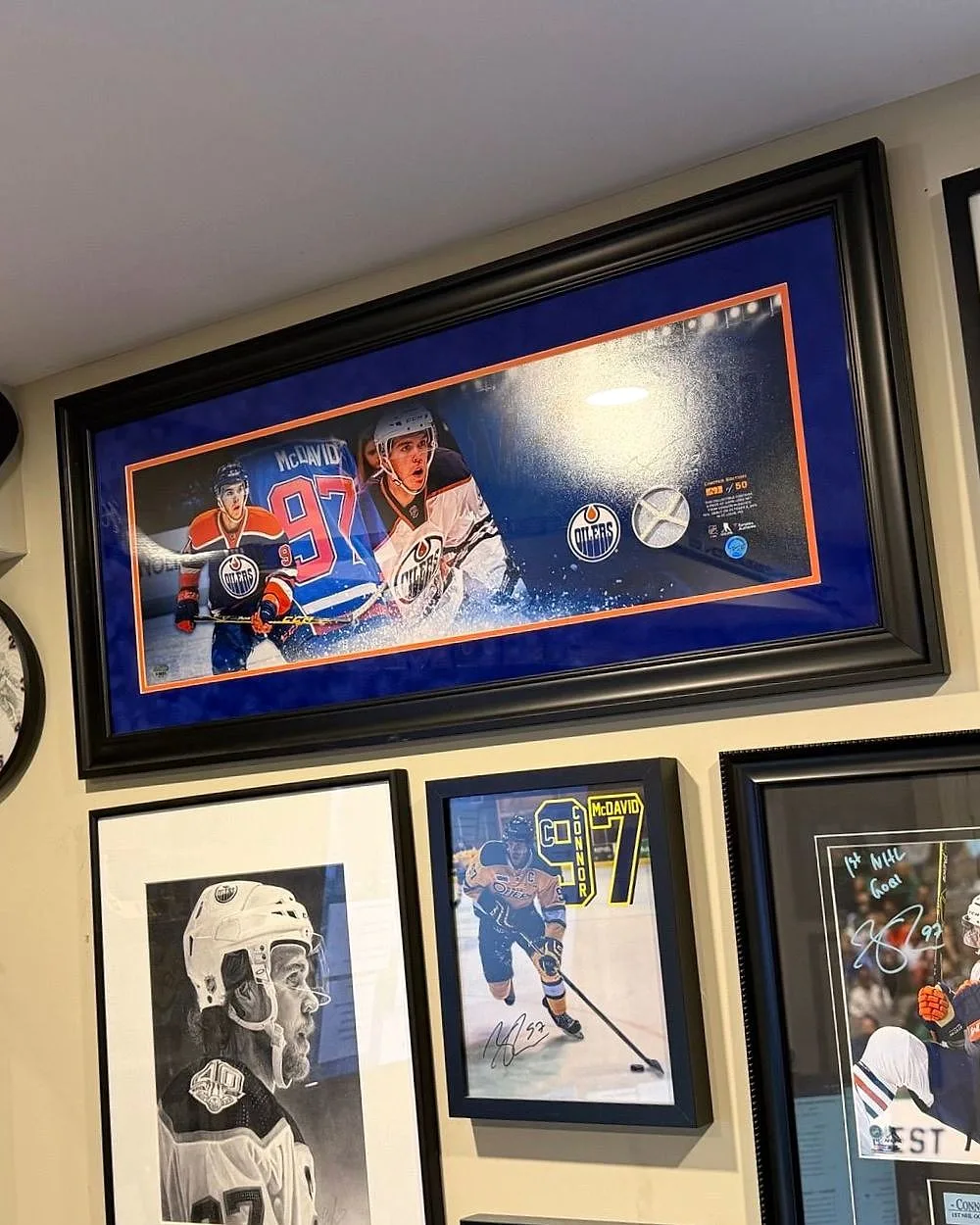
What began with one collector's problem has become a platform for maintaining the complete record behind a sports memorabilia collection.
In Relic Roster, every piece gets its own record: photos, what you paid, the value you track for it, its authentication and provenance details, and its ownership history. Memorabilia and sports cards sit in the same roster. When you want to show a few pieces publicly, you can build a showcase without exposing the rest. When you need documentation for insurance, the record is already there.
You can see the full picture on the features page.
30+ Years of Collecting
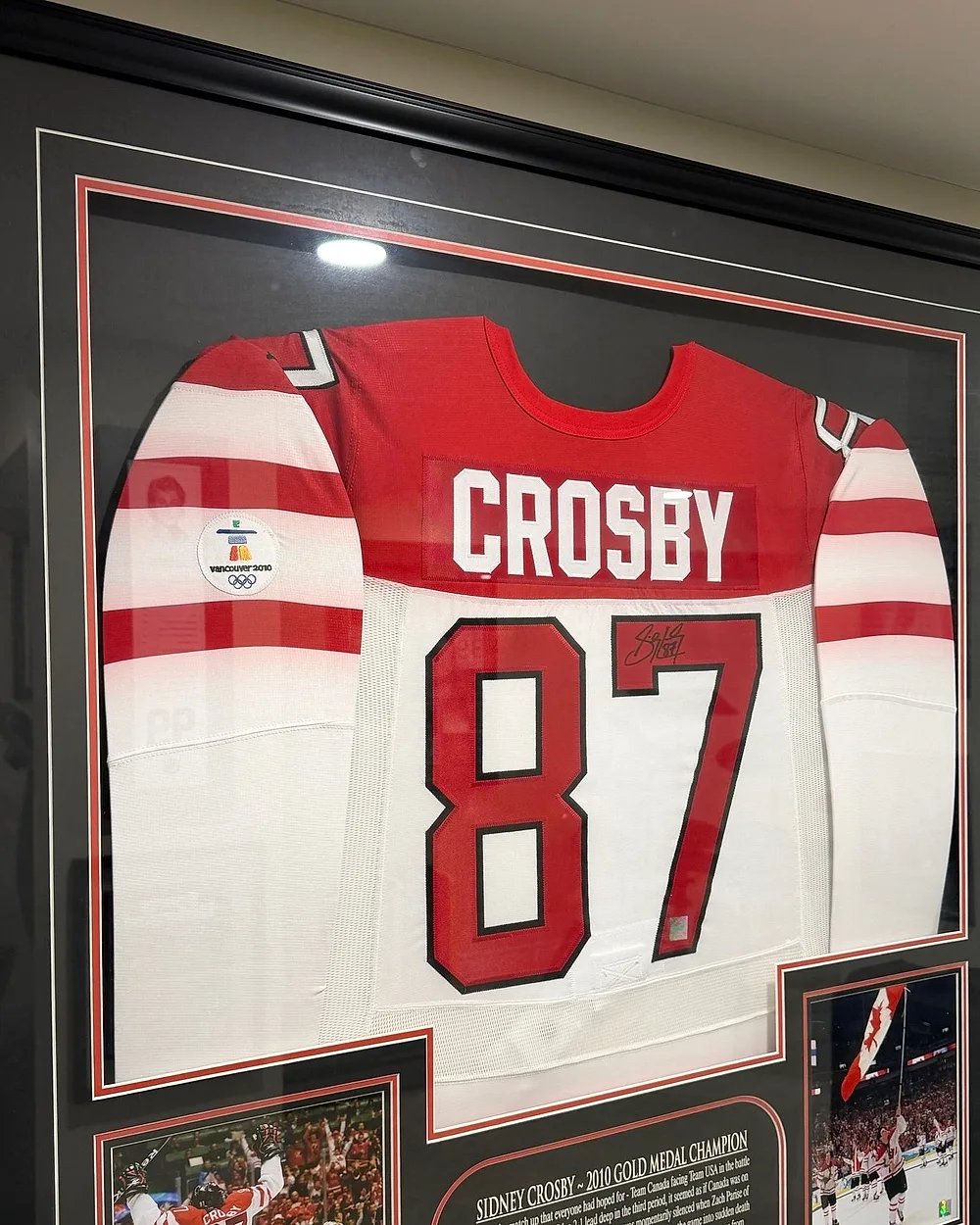
My own collection is focused mainly on hockey. It includes signed, authenticated and game-used memorabilia collected over more than three decades, along with sports cards.
That experience shapes how I think about Relic Roster. The details that matter in the product are the same details that matter when I'm documenting a piece in my own collection: where it came from, how it was authenticated, what I paid, and how its value has changed over time.
When you have handled enough pieces, you learn which parts of a collection's record you regret not keeping. Those are the parts I made sure Relic Roster keeps for you.
Built for Collectors at Every Stage
You might have 25 carefully chosen pieces, 250, or 2,500.
Relic Roster becomes useful at the point where you no longer want to rely on memory, scattered photos, a spreadsheet and a folder of paperwork to keep track of what you own.
Collectors come to it from every direction: one athlete, one team, one sport, several sports, memorabilia, sports cards, or some combination of all of it. The collection can be as focused or as broad as you want. What matters is having one reliable record behind it.
What I'm Trying to Build
Track. Value. Showcase. Protect.
Relic Roster is built around those four ideas.
Every decision behind Relic Roster comes back to one question: does it help collectors better track, value, showcase or protect what they've built? If it doesn't serve one of those, it doesn't belong in the product.
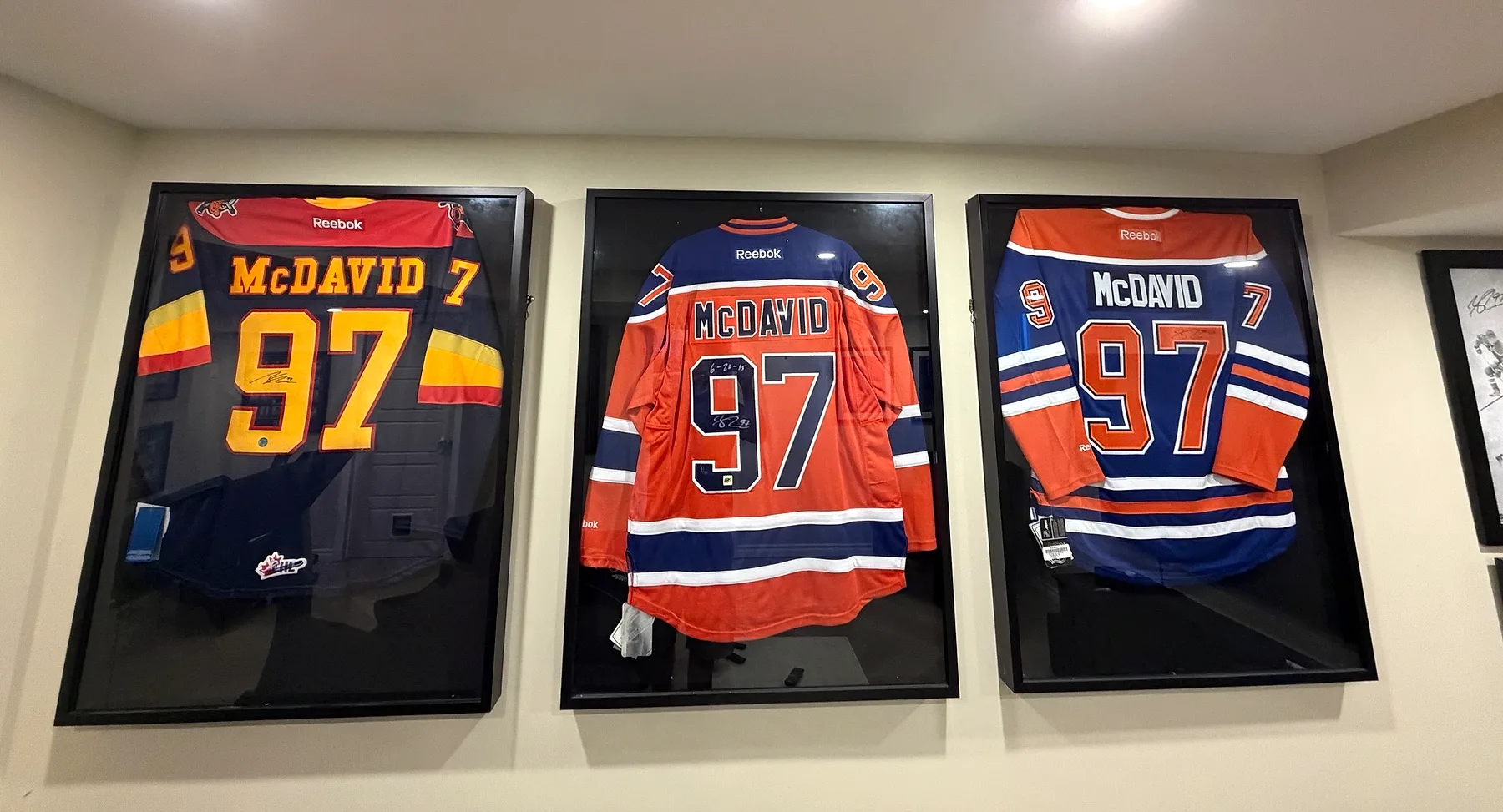
Built by a Collector. Shaped by Collectors.
Relic Roster started with my collection, but it shouldn't be shaped by my experience alone.
I spend a lot of time talking with other collectors about how they manage their collections, what frustrates them, what they wish they had documented better, and what they actually want from a collection management platform. Those conversations do as much to shape Relic Roster as my own collecting habits.
If you collect and you have thoughts on what a platform like this should do, I want to hear them. You can reach me through the contact page.
Relic Roster is the platform I wanted as a collector.
— Scott Hicks, Founder, Relic Roster
Your Collection Has a Story. Keep Track of It.
A collection of 25 pieces or 2,500 deserves the same thing: one place that holds the record behind every one of them.
No credit card required for the free plan.